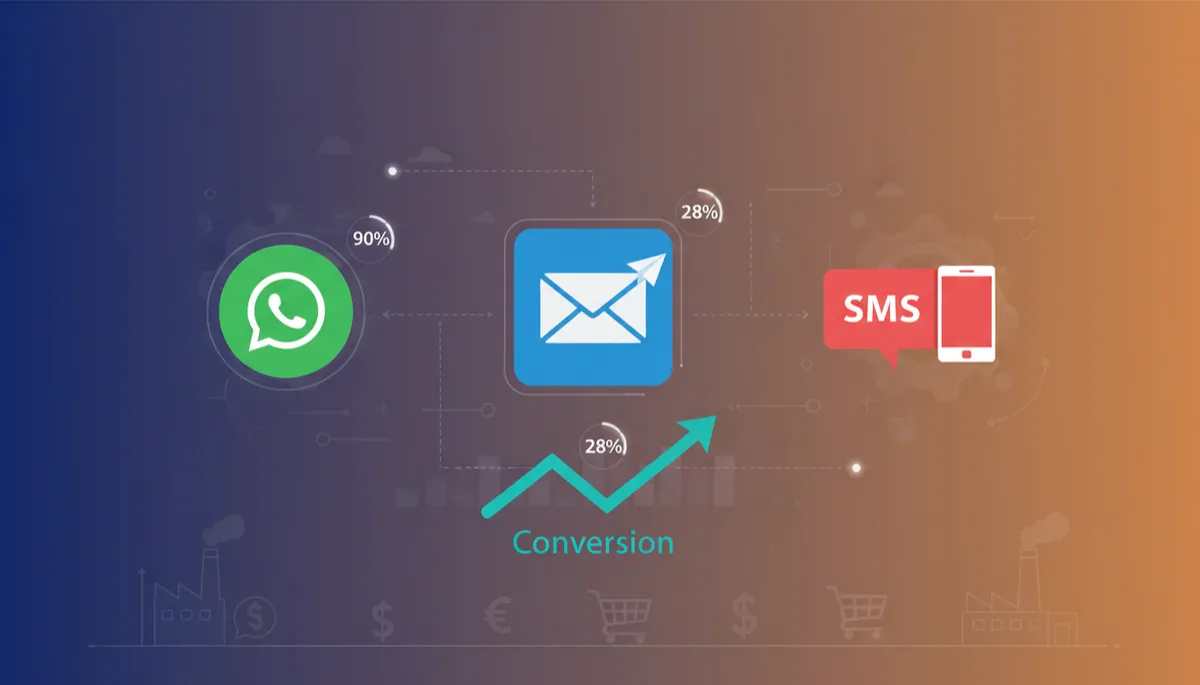
WhatsApp vs Email vs SMS: Best for Indian SMEs
WhatsApp vs Email vs SMS India, Marketing Automation, Indian SMEs
WhatsApp vs Email vs SMS: Which Automation Channel Converts Best for Indian SMEs in 2026?
Indian SMEs in 2026 are running three main automation channels: WhatsApp, email, and SMS. The question every business asks is: which one actually converts leads into customers? The data is clear — WhatsApp routinely delivers 70–80%+ open (read) rates in India, while email averages around 22–25% and SMS has fallen sharply in promotional use. But open rate alone does not tell the full story. Deliverability, compliance, cost-per-send, opt-in friction, and conversation quality all play a role. This guide compares WhatsApp, email, and SMS automation across every metric that matters for Indian SMEs — and shows you which channel to use for which stage of the customer journey.

Why this comparison matters for Indian SMEs in 2026
For Indian SME owners, marketing managers, and sales heads, budgets are tight and pressure to show ROI is high. You cannot afford to blast every message on every channel. You need a clear, data-backed answer to the question: WhatsApp vs email vs SMS India — which automation channel actually drives revenue, not just vanity metrics?
Using current 2025–2026 benchmarks from Indian and global studies on open rates, deliverability, and ROI, we will evaluate each channel across seven dimensions: open rates, deliverability, compliance, cost-per-send, opt-in friction, conversation quality, and best-fit stage in the customer journey. We will also briefly reference how a modern platform such as Nexurate multichannel automation can help you orchestrate all three channels intelligently instead of betting everything on one.
1. Open rates: WhatsApp leads, SMS is splitting, email stays steady
WhatsApp open (read) rates in India, 2026
Many vendors still advertise a “98% WhatsApp open rate.” Current benchmark studies urge caution. RichAutomate’s 2026 India report finds opted-in broadcast campaigns typically achieve 65–90% read rates, with top-tier, well-managed lists reaching 90–94%. Chatarmin’s 2025–26 data shows a median 72.05% open rate on a delivered basis and a message-weighted platform average near 79.6%. No large-scale study finds a true 98% average, but even 70–80% makes WhatsApp the clear leader among marketing channels in India.
Email open rates in India, 2026
Email remains surprisingly strong in India. Across multiple sources, typical open rates range from 20–35% for well-managed lists. StateGlobe Research pegs the average open rate at ~22.5%, while GetResponse and CampaignHQ report 25–26% open rates with click-to-open around 32%. Automated flows such as welcome journeys and cart recovery often perform better, at 35–45% open rates. For Indian SMEs, email may not be as “instant” as WhatsApp, but it delivers consistent reach at scale.
SMS open and read rates in India, 2026
Historically, SMS boasted 90%+ open rates. In 2026, the picture is more complex. Some bulk SMS providers still claim 95–98% open rates and show impressive ROI case studies. However, newer research focused on India’s DLT-regulated environment suggests that for promotional SMS, practical read rates can fall as low as 5–8% because of aggressive spam filtering, DND restrictions, and smartphone spam folders. Other comparative studies still place SMS open rates in the 28–35% band, but the overall trend is downward, especially for cold, promotional blasts.
2. Deliverability: getting messages into real inboxes and apps
WhatsApp deliverability
With WhatsApp Business API, deliverability is less about “spam folders” and more about quality rating and template approval. If your brand maintains high-quality conversations, quick reply times, and low block rates, Meta keeps your sender quality high and your templates approved. Messages then land directly inside the WhatsApp chat list, not in a promotional tab. However, if customers frequently block or report your messages, your quality score drops and Meta can throttle or even block your number. Good list hygiene and relevant content are critical for sustainable WhatsApp automation.
Email deliverability
Email deliverability in India is governed by global mailbox providers (Gmail, Outlook, Yahoo) and increasingly strict authentication rules. In 2026, SPF, DKIM, and DMARC are mandatory hygiene. Poor list practices, high bounce rates, or spam complaints push your emails into the Promotions tab or spam. On the positive side, once you invest in proper infrastructure and warm up your domain, email becomes a very stable, predictable channel with high inbox placement and low cost-per-send. For SMEs, partnering with a reputable ESP or a tool like Nexurate multichannel automation that manages infrastructure can dramatically improve deliverability.
SMS deliverability
SMS in India is tightly regulated by TRAI and operators via DLT platforms. To send promotional or transactional SMS at scale, you must register headers, templates, and consent categories. If you misclassify templates, ignore DND rules, or use unregistered routes, your messages are likely to be blocked. Even compliant senders now face filtering by device-level spam detection and RCS migration. For critical OTPs and alerts, SMS still delivers well when configured correctly. For marketing blasts, however, deliverability is much less reliable than it was a few years ago.
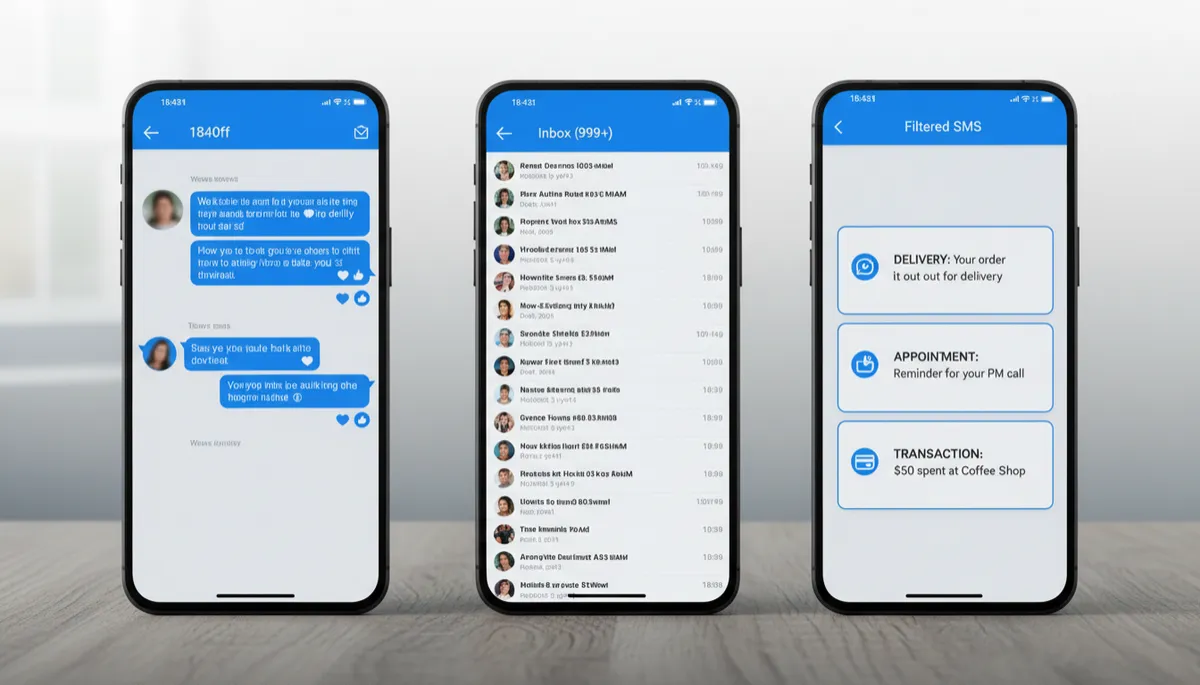
Deliverability now depends more on consent and quality than raw sending volume.
3. Compliance: DPDP, TRAI, and platform policies you cannot ignore
Email and the DPDP Act 2023
Under India’s Digital Personal Data Protection (DPDP) Act 2023, enforcement is gradually tightening. You are expected to obtain consent for marketing emails, clearly allow opt-outs, and protect personal data. Cold B2C email campaigns are increasingly risky, while B2B outreach is safer only when contacts have voluntarily shared their details. Penalties can theoretically go up to ₹250 crore per violation, making non-compliance a serious business risk even if current enforcement is still evolving.
SMS and TRAI–DLT regulations
For SMS, compliance is very explicit. You must:
- Register your business and headers on the DLT platform
- Get templates approved with correct promotional/transactional categorisation
- Respect DND preferences and consent records
Operators now actively block non-compliant traffic, blacklist senders, and in some quarters have filtered billions of SMS. For Indian SMEs, this means SMS marketing is not “plug and play” anymore; it requires careful template design and ongoing compliance management.
WhatsApp and Meta’s strict opt-in rules
WhatsApp has no local regulator equivalent to TRAI, but Meta’s policies act as de facto law. You must:
- Collect explicit opt-in for WhatsApp communication (website forms, checkboxes, in-store QR, etc.)
- Use pre-approved message templates for marketing and utility messages
- Honour opt-outs immediately and avoid spammy or misleading content
Violations can result in template rejections, reduced quality rating, or suspension of your WhatsApp Business number. In practice, however, SMEs that follow common-sense, permission-based marketing rarely face issues and enjoy far higher engagement than on SMS.
4. Cost-per-send and cost-per-conversion: where ROI really shows
Typical cost-per-send in India (2026)
| Channel | Approx. cost per message | Notes (India, 2026) |
|---|---|---|
| Often < ₹0.01 at scale | ESP subscription model; marginal cost per extra email is tiny. | |
| SMS | ~₹0.10–₹0.25 | Depends on route, volume, and promotional vs transactional category. |
| ~₹0.40–₹1.20 | Varies by template category and BSP pricing; more expensive per send. |
On pure cost-per-send, email is the cheapest, followed by SMS, with WhatsApp the most expensive. But Indian SMEs should focus on cost per effective read and cost per customer acquired, not just cost per message.
Cost-per-conversion: WhatsApp vs SMS vs email
Comparative studies in India show that even though WhatsApp can be 5× more expensive per message than SMS, it often turns out to be far cheaper per customer acquired. One 2026 analysis found SMS acquisition costs around ₹167 per customer, while WhatsApp achieved ₹28 per customer — roughly 31× more effective despite higher per-message charges. Email, with its ultra-low cost-per-send and 42:1 average ROI, often becomes the most profitable channel for nurturing existing subscribers and driving repeat purchases over time.
5. Opt-in friction: how hard is it to grow each list?
WhatsApp opt-in friction
For WhatsApp, Meta requires explicit consent. You cannot simply upload all your customer mobile numbers and start broadcasting. Opt-in typically happens via:
- Website forms with a WhatsApp checkbox
- “Click to WhatsApp” ads or QR codes in-store
- Support conversations where you ask permission to send updates
This adds some friction, but the upside is that those who do opt in are highly engaged. For Indian SMEs, the best tactic is to integrate opt-in prompts into all high-intent touchpoints: order confirmations, support chats, and lead forms.
Email opt-in friction
Indian users are accustomed to sharing email IDs for offers, PDFs, and webinar registrations. Email opt-in is relatively low friction, especially for B2B and high-ticket B2C. However, DPDP pushes you towards clear consent language and easy unsubscribe. Double opt-in (confirming via a link in the first email) adds more friction but dramatically improves list quality and protects your sender reputation. For many SMEs, email still remains the easiest channel to grow to tens of thousands of contacts.
SMS opt-in friction
In theory, SMS opt-in is simple: customers share their phone number while buying or signing up. In practice, TRAI’s DLT framework requires you to prove consent for promotional messaging, and many users are now wary of spammy SMS. Indian customers often see SMS as a channel for OTPs and bank alerts, not for marketing conversations. This makes it harder to build a permission-based marketing list on SMS compared with WhatsApp or email.
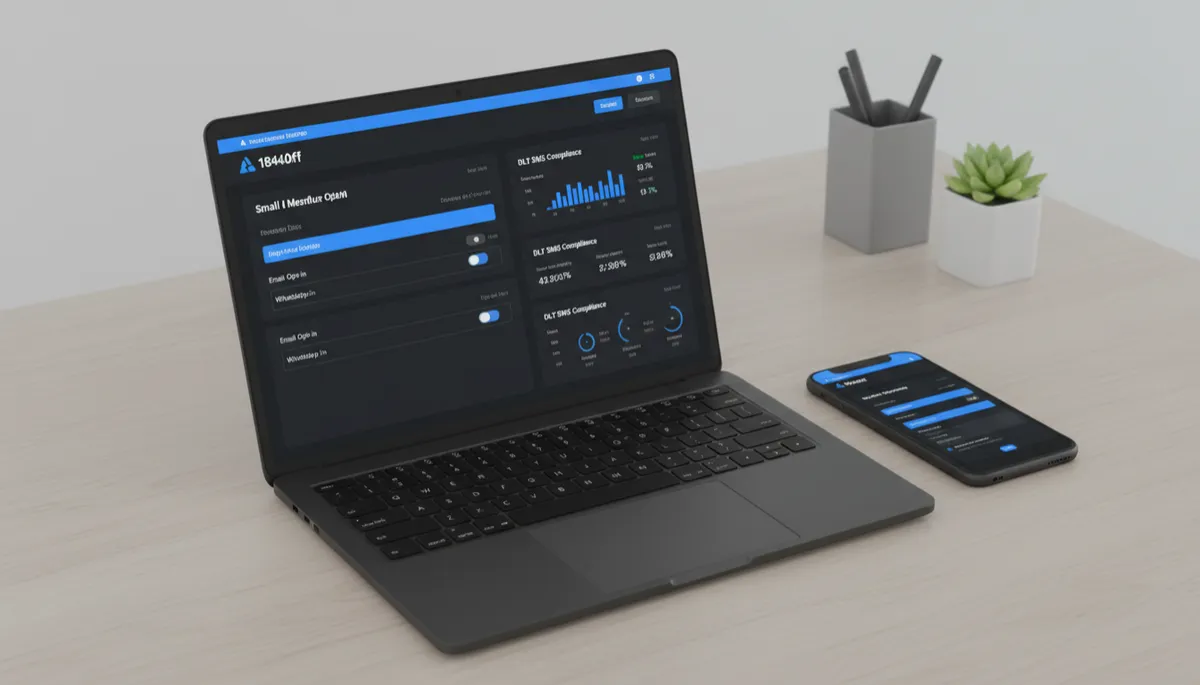
Smart forms reduce opt-in friction while keeping DPDP and DLT compliance in check.
6. Conversation quality: one-way blasts vs real two-way engagement
WhatsApp: conversational by design
WhatsApp is built for two-way, real-time conversations. Benchmarks show WhatsApp reply rates in India can reach 10–40%, significantly higher than SMS or email. You can send rich media (images, PDFs, catalogs), interactive buttons, quick replies, and even collect payments in-chat. For sales teams and support-heavy SMEs (education, healthcare, real estate, financial services), this makes WhatsApp the best automation channel for Indian SMEs when it comes to closing deals and resolving objections quickly.
Email: depth and documentation
Email is less “chatty” but excellent for long-form content, proposals, contracts, and educational sequences. Reply rates for cold campaigns hover around 4%, but for warm lists and automated flows, email becomes a powerful nurturing engine. It is also searchable, forwardable, and archivable — ideal for B2B decision-making, where multiple stakeholders review information over days or weeks. For complex products and high-value services, email remains a crucial part of the sales cycle even in a WhatsApp-first India.
SMS: short, urgent, and mostly one-way
SMS is inherently limited to 160 characters and plain text. While you can include links, reply rates are typically 0.5–2%. For two-way conversations, customers increasingly prefer WhatsApp or in-app chat. Where SMS still shines is in time-sensitive, one-way communication: OTPs, payment reminders, appointment confirmations, and critical alerts. For marketing conversations, however, SMS is steadily losing ground to WhatsApp and RCS.
7. Which channel for which stage of the customer journey?
The smartest Indian SMEs in 2026 do not ask “WhatsApp marketing vs email marketing India 2026 — which one only?” Instead, they design a multichannel journey and let each channel do what it does best. Here is a practical blueprint you can adapt, whether you run a coaching institute, D2C brand, clinic, or B2B service.
Stage 1: Lead generation and first contact
- Primary channel: Email — Use landing pages, lead magnets, and webinar registrations to collect email IDs at scale. Email is cheap and accepted for first-touch nurturing.
- Secondary channel: WhatsApp — Add a “Get updates on WhatsApp” checkbox or a click-to-WhatsApp button on thank-you pages. Leads who opt in here are high-intent and deserve faster follow-up.
Stage 2: Nurture and education
- Email automation: Run welcome flows, case-study sequences, and educational newsletters. With 35–45% open rates on flows, email is ideal for building trust at low cost.
- WhatsApp nudges: For leads that show intent (clicking key links, attending webinars), trigger WhatsApp follow-ups with short summaries, FAQs, and quick-reply options to speak to sales.
Stage 3: Sales conversation and closing
- Primary channel: WhatsApp — Use templates to schedule demos, send reminders, share short videos, and answer objections in real time. With 10–40% reply rates, WhatsApp is your highest-converting channel at this stage.
- Supportive channel: Email — Send proposals, brochures, and legal documents that prospects can forward internally. Use email to recap WhatsApp discussions in more formal detail.
Stage 4: Transactional messages and operations
- SMS + WhatsApp: Use SMS as a reliable backup for OTPs, payment confirmations, and critical alerts, especially where regulatory templates already exist. Use WhatsApp for richer order updates, shipment tracking, and post-purchase support.
- Email: Send invoices, detailed receipts, and policy documents.
Stage 5: Retention, upsell, and referrals
- Email: Continue newsletters, product education, and loyalty offers. With email ROI at around 42:1 in India, this is where long-term profitability is built.
- WhatsApp: Use carefully segmented campaigns for VIP customers, time-sensitive offers, and feedback requests. Keep frequency low and value high to preserve your quality rating.
8. Putting it all together: choosing the best automation channel for Indian SMEs
Summarising the comparison of WhatsApp, email, and SMS automation for Indian SMEs in 2026:
- Open rates: WhatsApp dominates with realistic 70–80%+ read rates for engaged lists; email averages 20–25% (higher in flows); SMS ranges widely and is trending downward for promotions.
- Deliverability: WhatsApp and email are highly reliable when you respect consent and infrastructure; SMS is heavily filtered and best reserved for compliant transactional and urgent use cases.
- Compliance: DPDP impacts email; TRAI–DLT governs SMS; Meta policies control WhatsApp. Ignoring any of these is risky and increasingly expensive.
- Cost-per-send: Email is cheapest, SMS is mid-range, WhatsApp is most expensive — but WhatsApp often wins on cost-per-conversion thanks to superior engagement and reply rates.
- Opt-in friction: Email is easiest to scale; WhatsApp requires explicit opt-in but yields high-quality lists; SMS opt-in is increasingly constrained and perceived as spammy for marketing.
- Conversation quality: WhatsApp is best for two-way conversations and closing, email for depth and documentation, SMS for short, urgent, mostly one-way notifications.
For Indian SME owners and marketing leaders, the winning strategy in 2026 is not to bet everything on a single channel, but to:
- Use email as your scalable backbone for education, nurturing, and retention.
- Use WhatsApp as your high-intent, high-conversion channel for sales conversations and key lifecycle events.
- Use SMS selectively for OTPs, mission-critical alerts, and as a backup when data connectivity or app usage is uncertain.
When you orchestrate all three channels through a unified system such as Nexurate multichannel automation, you can route each message through the channel most likely to convert at that specific moment — maximising ROI while staying compliant and respectful of your customers’ attention.
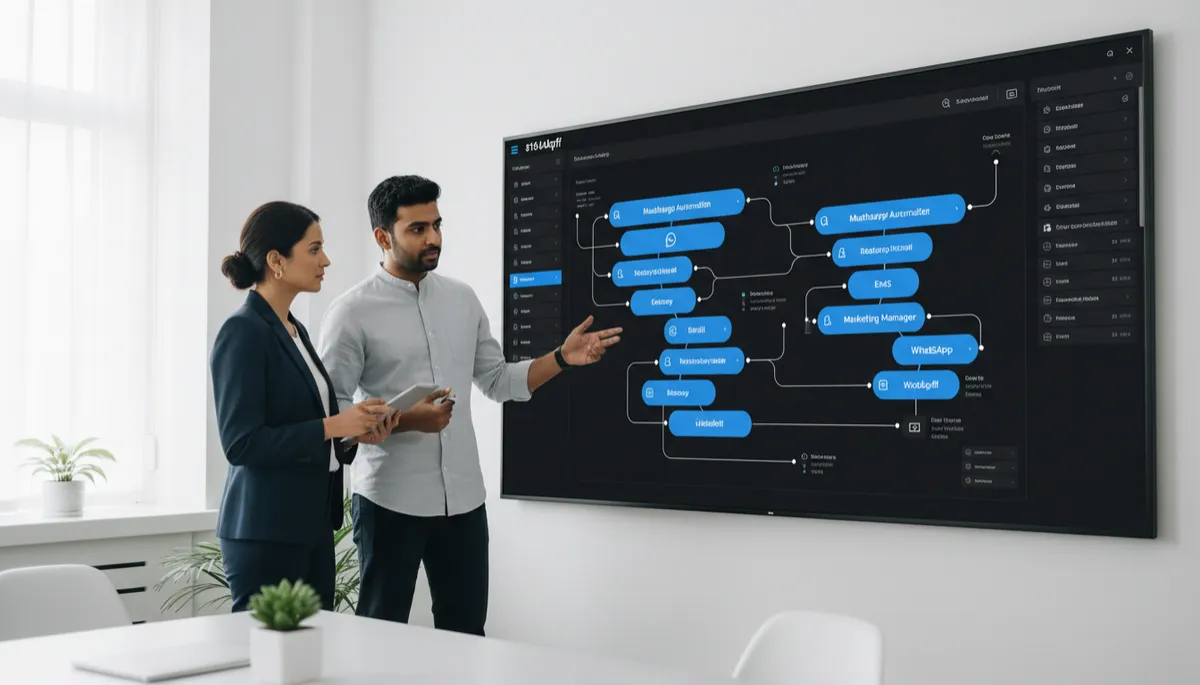
A unified view of all channels reveals which journeys truly drive revenue.
In 2026, the answer to “WhatsApp vs email vs SMS India — which converts best?” is simple but nuanced: for pure response and sales conversion, WhatsApp wins; for long-term profitability and scale, email remains essential; and for compliance-heavy, time-critical alerts, SMS still has a role. The Indian SMEs that grow fastest are those that design automation journeys which leverage the strengths of all three.
