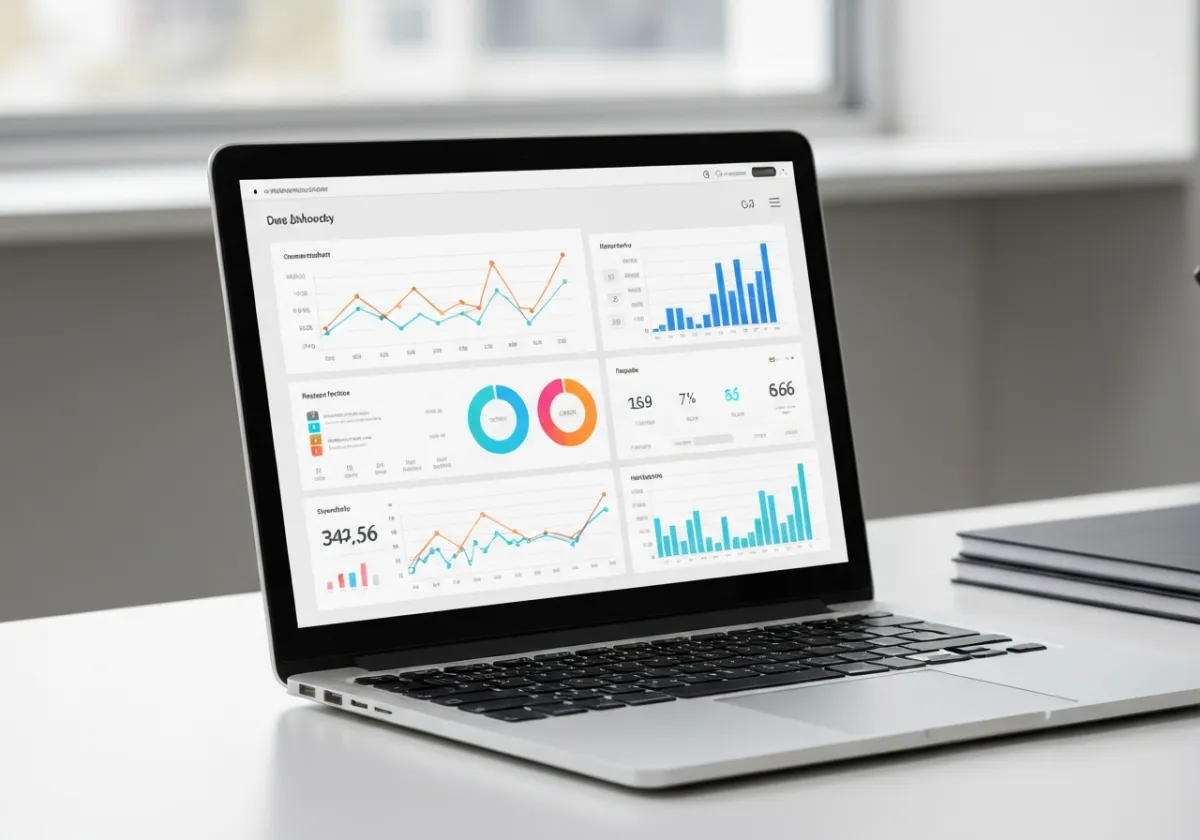
One tool for SEO, paid ads & lead follow-up: a 5-step plan
One tool for SEO, paid ads & lead follow-up: a 5-step plan
Why running SEO, paid ads, and lead follow-up in separate tools is costing you revenue
Most SMEs arrive at the same frustrating place: Google Search Console in one tab, Google Ads or Meta Ads in another, a CRM that may or may not be up to date, a WhatsApp thread where some leads got followed up, and a spreadsheet holding the rest. Each tool works. The system doesn't.
The damage shows up in predictable ways. Leads sit uncontacted for hours because someone has to manually move data from the ad platform to the CRM. Attribution breaks because the campaign name never made it to the contact record. The sales team chases cold leads while hot ones go quiet. And when the MD asks "which channel is actually driving bookings?", nobody has a clean answer.
The question many SME owners eventually ask is: "Is there something that combines SEO, paid ads, and lead follow-up?" The answer is yes, but "combined" needs to mean more than a set of integrations. It means a single data model, automated response workflows, and reporting that traces every conversion back to its source.
What a real integrated system actually requires
Three things have to work together before the stack earns the label "integrated".
First, every lead needs one contact record with consistent tagging from the moment of capture. Whether the enquiry came from an organic search, a Google Ads form extension, or a Meta lead ad, the source, medium, campaign, and landing page must attach to the record automatically. Without this, unified lead management is impossible.
Second, the system needs automated lead response across every channel the prospect might respond on: email, SMS, WhatsApp, and voice if relevant. The routing rules and timing sequences should run without human input so that no lead sits uncontacted because a sales rep is busy.
Third, closed-loop reporting must connect the paid or organic click all the way through to a booked call, a signed contract, or a purchase. Reporting that stops at ad metrics or SEO rankings is incomplete. The question isn't "how many clicks did we get?" It's "which keywords and campaigns produced revenue this month?"
The speed-to-lead problem, in numbers
Timing is the variable most SMEs underestimate. According to InsideSales' Lead Response Management research, the odds of qualifying a lead are 21 times higher if you contact them within 5 minutes compared to waiting 30 minutes. That gap compounds when leads are coming from paid ads, where intent is high and the prospect may have submitted the same form to two or three competitors.
Manual processes make a 5-minute response almost structurally impossible. The only way to hit that window reliably is with automated triggers: a WhatsApp or SMS message fires the moment the form submits, followed by an email, and then a second-touch sequence if there's no reply. The human sales conversation happens once the prospect is warm, not instead of automation.
Nexurate Technologies' AI-powered CRM workflows are built around exactly this constraint, triggering multi-channel responses across WhatsApp, SMS, email, and voice in under 60 seconds. For SMEs where every lead represents real acquisition cost, that response speed is where the return on the ad spend is actually recovered.
A five-step workflow from first click to booked call
Capture and attribution. Every form, landing page, and ad lead should pass UTM parameters (source, medium, campaign, ad identifier) into the CRM record automatically. This is the foundation of SEO and paid ads attribution.
Auto-qualify. Basic rules can score or tag leads without human input: industry, geography, budget indicator, urgency signal. A lead scoring system means sales only sees the contacts most likely to convert.
Instant multi-channel response. Once the lead is captured and tagged, automated workflows trigger the first outreach: a WhatsApp message, an SMS, or an email, depending on what's available and what the lead consented to. AI voice agents can handle the first qualification call if no one picks up. This is where most SME stacks have a gap.
Human hand-off with context. When the lead responds or hits a qualification threshold, a sales rep receives the record with full conversation history, source attribution, and lead status. No re-asking of questions the lead already answered.
Nurture until next action. Leads that don't book immediately enter a drip sequence with suppression rules, so contacts who've already responded aren't re-messaged, and those who haven't are touched again with a different angle.
The data model that makes it work
The minimum fields a unified system needs: keyword or ad source, landing page URL, campaign name, timestamp of first enquiry, consent status, and a status field that tracks the lead from "new" through "attempted", "qualified", and "booked". Without consistent tagging at this level, SEO and paid ads conversion tracking is guesswork.
The most common failure point isn't the CRM. It's the handoff. Leads that land in a spreadsheet or a general inbox never trigger a CRM task, so they stall. An integrated lead capture workflow removes that gap: the form submission creates the contact, assigns the status, and fires the first response, all without a person in the chain.
What to look for when evaluating a single platform
A short checklist for SMEs assessing their options:
Channel coverage: email, SMS, WhatsApp as a minimum; voice if you're running outbound or high-value inbound
Workflow automation depth: can you set triggers, conditions, routing rules, and time-delay sequences without developer support?
Attribution visibility: does the platform show you which campaigns and keywords are producing qualified leads, not just clicks?
A single pipeline management dashboard, not duplicated pipelines across tools
Migration support from your existing CRM, forms, and email tools
Audit trails and suppression rules so contacts aren't messaged incorrectly
Most enterprise platforms technically cover these areas. The issue for SMEs is implementation friction. Tools like HubSpot or Salesforce carry significant complexity and setup overhead that doesn't suit a lean team that needs to be operational in weeks, not quarters.
Where established platforms leave SMEs stuck
Larger all-in-one platforms market themselves on feature breadth, which is genuinely useful if you have a dedicated ops team to configure everything. For an SME trying to connect Meta Ads lead follow-up, SEO traffic conversion, and CRM lead follow-up in a single system, the complexity becomes the bottleneck.
Nexurate's approach combines the platform with the implementation work. Rather than handing over software and documentation, the model maps each client's ad and organic sources to automated multi-channel follow-up sequences and a reporting structure from day one. That's the gap most software-only vendors leave open.
Assess where you are right now
Three common starting points:
You're running ads and losing leads between form submission and first response. The fix is an automated lead capture workflow that triggers WhatsApp or SMS within seconds of submission, no manual step.
You've grown organic traffic but conversion is flat because the follow-up isn't connected to what the visitor searched for. The fix is source tagging and intent-matched response sequences.
You have multiple CRMs, spreadsheets, or tools and no single view. The fix is consolidation with migration support that preserves your attribution history.
Whichever scenario fits, the starting action is the same: audit what happens to a lead in the 10 minutes after they submit a form. If the answer involves a human noticing a notification and manually doing something, there's a faster and more reliable way to run it.
If you want a clear view of how your current ad and SEO sources could map to an automated follow-up and reporting system, Nexurate Technologies offers a setup plan that starts with your specific stack. The goal is one growth system, with every lead tracked, every response timed, and every channel reporting back to revenue.
