Omnichannel CRM: Win Customers in 2026
CRM, Omnichannel Marketing, SME Growth
Omnichannel CRM: How SMEs Win Customers Across WhatsApp, Email & Social in 2026
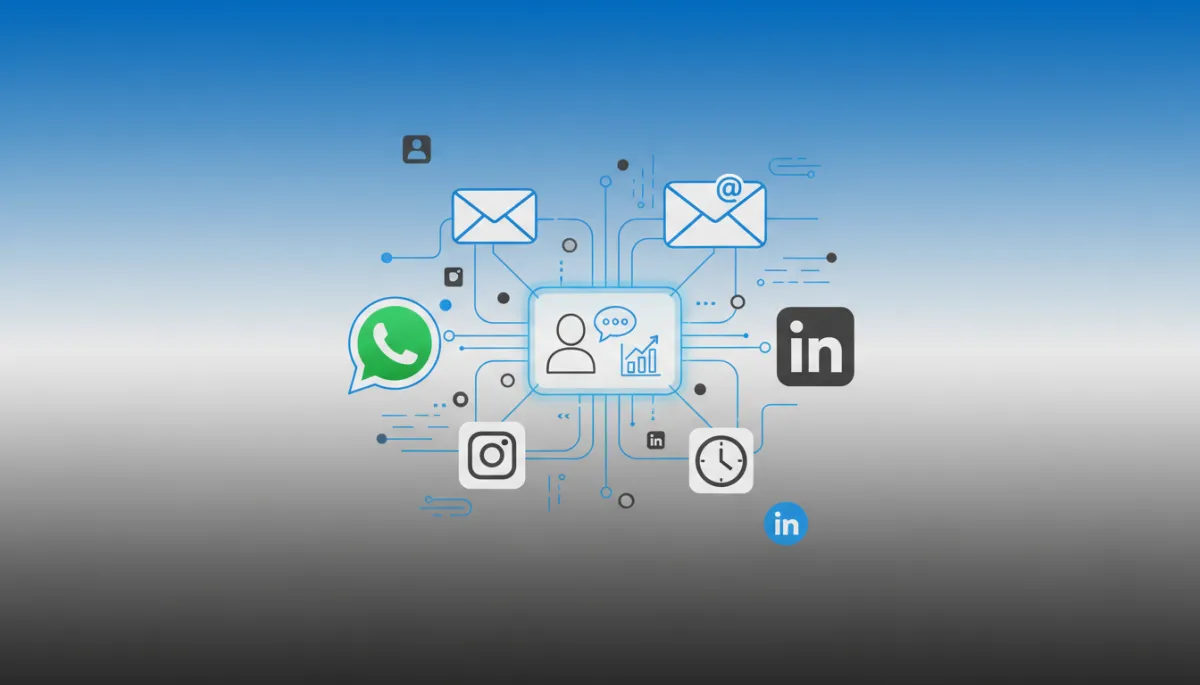
Your customers don't live in one place online — and in 2026, neither do their purchasing decisions. A prospect might discover your business on Instagram, research you via Google, send an enquiry on WhatsApp, receive a follow-up via email, and then ask a clarifying question through your website chat — all before making a single purchase. If each of those touchpoints is handled by a different tool with no shared context, your customer experience is fragmented. Your team sends duplicated messages. Leads fall through the cracks. And customers feel like they're starting from zero every time they reach out. Omnichannel CRM changes this entirely. By unifying all your customer communication channels — WhatsApp, email, Instagram DMs, Facebook Messenger, LinkedIn, and live chat — into a single intelligent inbox, your team can see the full customer journey in one place and respond with the right message at the right time. SMEs using omnichannel CRM are reporting higher customer satisfaction, faster response times, and significantly lower lead drop-off rates. In this guide, we'll break down what omnichannel CRM really means, why it matters for SMEs in 2026, and how to implement it without overhauling your entire tech stack.
What Omnichannel CRM Really Means for SMEs in 2026
For many small and medium-sized businesses, omnichannel CRM has been a buzzword for years. In 2026, it has become a strategic necessity. According to the 2026 State of Digital Customer Communication report from MessageWhiz, 99% of business leaders now view omnichannel as a strategic priority, yet fewer than half have moved beyond basic channels like email and SMS. This gap between intent and execution is where SMEs can still gain a real competitive edge.
At its core, an omnichannel CRM is not just another database. It is a system of action that connects every customer interaction — across WhatsApp, email, social media, live chat, and even phone — into a single, living customer record. Instead of your sales, marketing, and support teams operating in silos, they work from a shared, real-time view of each contact’s history, preferences, and current intent.
Why Omnichannel Marketing for SMEs Is a Growth Lever, Not a Luxury
In the past, omnichannel experiences were seen as something only enterprise brands could afford. That has changed. Research from IDC on the 2026 SMB digital landscape shows that AI-powered, omnichannel brand building is now central to small business growth, not an experimental side project. Customers expect the same seamless journeys from a local retailer or B2B services firm as they do from global platforms.
Effective omnichannel marketing for SMEs means coordinating campaigns and conversations across channels, based on a unified understanding of each customer. Instead of blasting the same promotion everywhere, you:
- Retarget website visitors with a timely WhatsApp reminder or Instagram DM when they abandon a cart or quote request.
- Trigger an email sequence only after a prospect has responded to a social message, not before.
- Offer personalized follow-ups based on past purchases, service tickets, or consultation notes — no matter which channel they originally came through.
The Omnichannel Index 2026 found that only 27% of firms actively trigger behavioral communications based on customer actions, and just 20% offer emotional loyalty benefits. For agile SMEs, this is an opportunity: by combining omnichannel CRM with behavior-based engagement, you can deliver experiences that feel personal at scale, without enterprise budgets.
WhatsApp CRM Integration: Meeting Customers Where They Actually Respond
For many SMEs globally, WhatsApp has quietly become the most important sales and support channel. Customers reply faster on WhatsApp than by email, share photos or documents easily, and expect near real-time answers. That is why WhatsApp CRM integration is now a cornerstone of modern customer operations.
A robust WhatsApp integration within your omnichannel CRM should allow your team to:
- Send and receive WhatsApp messages directly from the CRM interface, without switching tabs or devices.
- Use templates and automation to confirm orders, send reminders, or follow up on abandoned inquiries — all with proper consent and compliance.
- Log every WhatsApp conversation against the contact’s profile, alongside their emails, calls, and social messages.
Industry analysts expect WhatsApp Business API usage to keep expanding through 2026, with AI and automation handling more routine queries while humans focus on complex, high-value conversations. For SMEs, this means you can maintain a personal touch while letting your CRM handle repetitive workflows in the background.
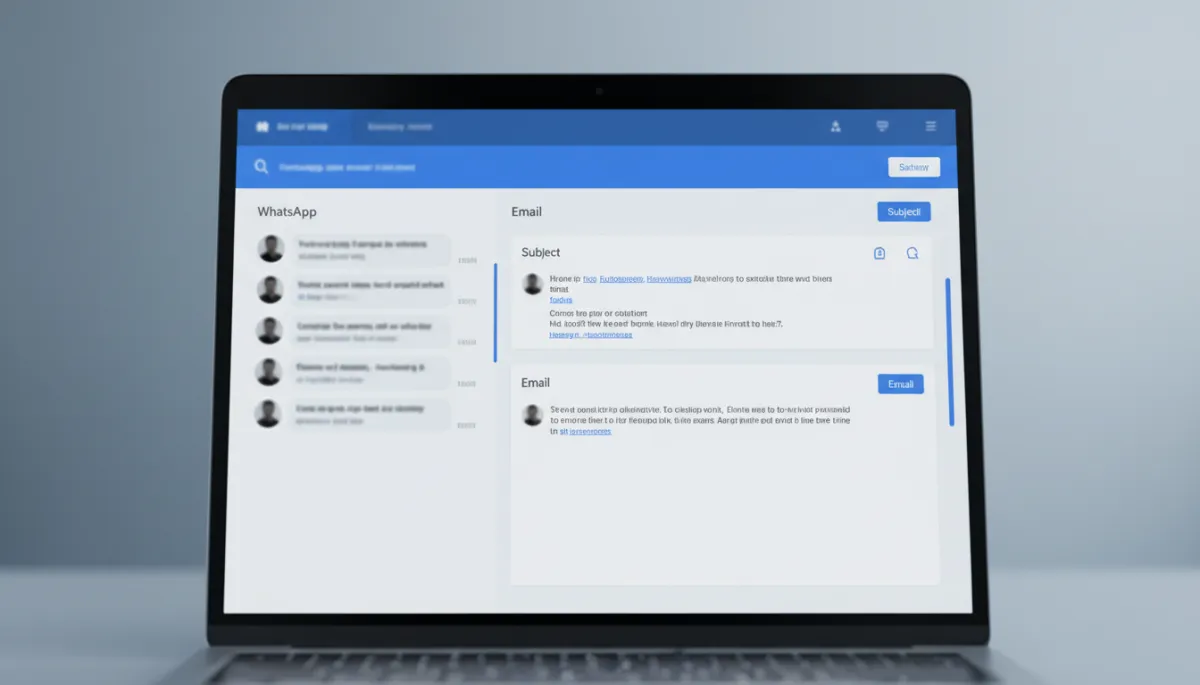
WhatsApp CRM integration turns casual chats into trackable, revenue-driving conversations.
The Power of a Unified Customer Inbox
The most visible benefit of omnichannel CRM is the unified customer inbox. Instead of juggling separate tools for email, WhatsApp, Instagram, Facebook Messenger, and website chat, your team works from one shared workspace where every message is threaded by customer, not by channel.
- Single source of truth: Sales, marketing, and support see the same conversation history, notes, and tasks in real time.
- Faster response times: Intelligent routing ensures the right person handles each inquiry, regardless of entry channel.
- Less admin, more outcomes: With messages auto-logged, your team spends less time on data entry and more on closing deals and resolving issues.
Pipedrive’s CRM Trends Report 2026 notes that sales professionals still spend up to 40% of their time on administrative tasks. A unified inbox with built-in automation directly tackles this burden. By centralizing communication, you reduce tool-switching, missed follow-ups, and internal confusion about “who replied last.”
Designing Multi-Channel Customer Engagement That Feels Seamless
A modern CRM is only as valuable as the experiences it enables. Multi-channel customer engagement in 2026 means more than being present on many platforms; it means coordinating those touchpoints so they feel like one continuous conversation from your customer’s perspective.
Leading customer engagement research points to several best practices SMEs can adopt:
- Use behavior-triggered journeys: Send follow-ups based on actions — link clicks, page views, cart events, or support tickets — not just fixed schedules.
- Blend automation with human touch: Let AI handle FAQs and routing, but make it easy for customers to reach a real person when needed.
- Maintain consistent branding: Ensure your tone, visual identity, and promises are aligned across WhatsApp, email, and social, reinforcing trust at every step.
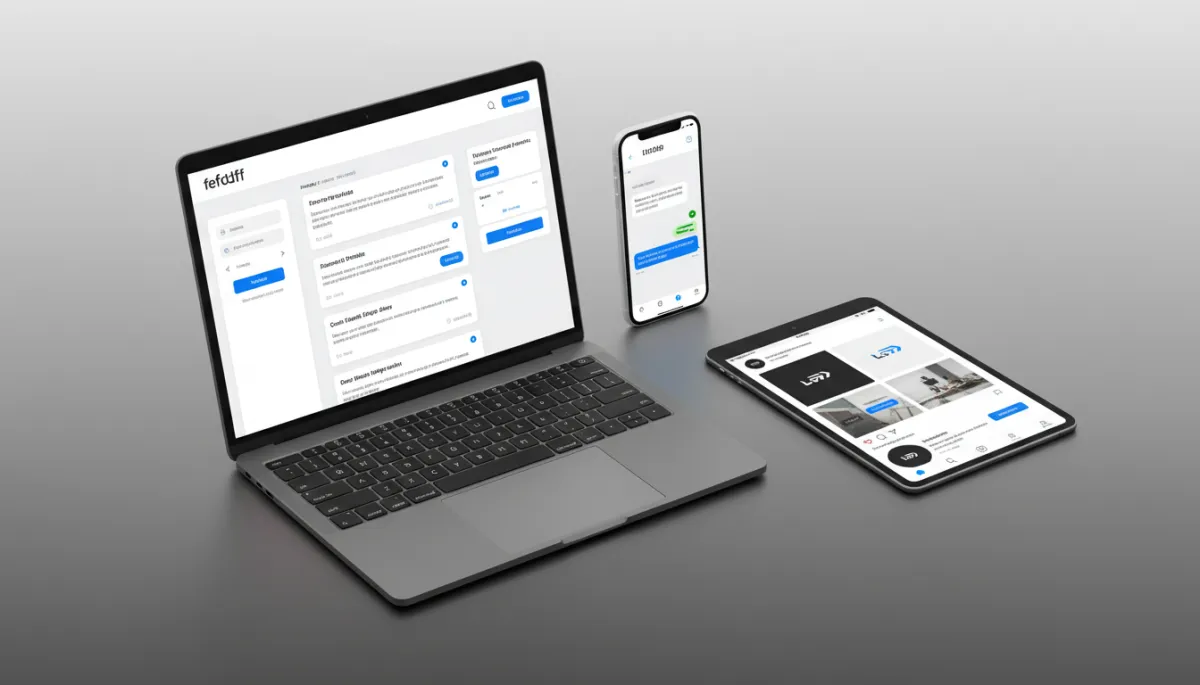
Consistent, multi-channel customer engagement builds trust and shortens the path to purchase.
AI: Turning Your Omnichannel CRM into a System of Action
A key shift highlighted by CIO and Zendesk’s CX Trends 2026 is the rise of agentic, context-rich AI inside CRM platforms. Rather than simply logging history, AI-enhanced CRMs recommend next-best actions, draft responses, and even initiate outreach automatically — all based on unified data from your channels.
- Suggest the best channel and time to follow up with a lead who opened your email but replied on WhatsApp.
- Summarize long multi-channel conversation histories so a new agent can respond with full context in seconds.
- Flag at-risk customers based on sentiment across email, chats, and social messages, prompting proactive retention offers.
Importantly, Zendesk reports that 95% of consumers expect explanations for AI-driven decisions. For SMEs, this means choosing CRM tools that not only automate but also provide transparent reasoning — helping your team trust and adopt AI suggestions rather than ignore them.
Implementing Omnichannel CRM Without Rebuilding Your Entire Stack
Many SME owners and marketing leaders hesitate to move to omnichannel CRM because they fear a long, disruptive migration. The reality, supported by the 2026 small business digital adoption report, is that SMEs are actually looking to reduce the number of tools they use. Around 43% would pay more for solutions that cut tool fragmentation. The right approach is incremental, not all-or-nothing.
- Audit your current channels and tools. List how customers contact you today (WhatsApp, email, social, chat, phone) and which systems handle each. Identify overlaps, gaps, and manual workarounds.
- Prioritize high-impact integrations first. For many SMEs, this means starting with WhatsApp CRM integration plus email and website chat, then adding social DMs next.
- Centralize data, then workflows. Begin by syncing contacts and conversation history into a unified customer inbox. Once data is flowing, layer in automation: routing, reminders, and basic nurture journeys.
- Invest in training and adoption. The Pipedrive report shows that 14% of users with AI-equipped CRMs never touch the AI features. Run short, practical training sessions focused on everyday tasks, not abstract capabilities.
- Measure and iterate. Track response times, lead conversion, and customer satisfaction before and after rolling out omnichannel workflows. Use these metrics to refine your playbooks and justify further investment.
The Bottom Line: Omnichannel CRM as Your 2026 Advantage
In 2026, your customers will not think in terms of channels. They will simply expect your business to recognize them, remember them, and respond helpfully — whether they are on WhatsApp, replying to an email, or sending a late-night question through Instagram. Omnichannel CRM is how SMEs deliver that experience without burning out their teams or drowning in disconnected tools.
By combining a unified customer inbox, thoughtful omnichannel marketing for SMEs, strategic WhatsApp CRM integration, and AI-assisted multi-channel customer engagement, you can build relationships that survive channel shifts, algorithm changes, and economic cycles. The SMEs that act now — consolidating platforms, unifying data, and operationalizing omnichannel journeys — will be the ones that turn every conversation into a measurable growth opportunity.
If you want to understand how your current website and digital presence are supporting (or blocking) your omnichannel ambitions, there is a simple next step.

Clear analytics reveal where omnichannel CRM can unlock your next growth stage.
Get a Free SEO / Website Audit at nexurate.com/free-audit. Use the insights to align your website, content, and customer journeys with an omnichannel CRM strategy that is built for how your customers actually buy in 2026.
