Maximize ROI with AI-Driven Ads for SMEs in 2026
Digital Marketing, AI Advertising, Paid Media Strategy
Paid Ads on a Budget: How SMEs Maximise ROI with AI-Driven Campaigns in 2026
Paid advertising has a reputation problem among small business owners. Too many SMEs have burned through their monthly budget in the first week, with little to show for it but vague impressions and a handful of irrelevant clicks. The traditional approach to running Google or Meta ads — set a budget, write an ad, hope for the best — rarely works without the right strategy and targeting. But in 2026, AI has fundamentally changed what's possible for SMEs running paid campaigns on tight budgets. AI-powered advertising platforms now automatically test ad variations, optimise bidding in real time, identify your highest-value audience segments, and allocate your budget to the placements that actually convert. Businesses using AI-driven paid ads are achieving 30-40% lower cost per lead compared to manually managed campaigns. For SMEs working with budgets under ₹10,000 per month, this level of precision was previously unthinkable. In this guide, we'll show you exactly how to build an AI-optimised paid ads strategy for your business — without wasting a single rupee.

Why Paid Ads Still Matter for Small Businesses in 2026
Organic reach on Google, Instagram and Facebook has been declining for years. In 2026, AI-generated overviews now appear on more than half of Google searches, pushing traditional search results further down the page. According to McKinsey, this shift threatens 20–50% of open-web traffic, meaning relying on SEO or social posts alone is increasingly risky for SMEs targeting growth across India, the UAE, the UK, the US and Europe.
Well-structured paid ads for small business give you guaranteed visibility, predictable lead flow and the ability to scale what works. The difference in 2026 is that AI has moved from being a “nice-to-have” to the engine that drives profitable campaigns. Agentic AI systems do not just suggest improvements; they plan, activate and optimise campaigns end-to-end, compressing the time between impression and conversion and significantly improving ROI paid advertising for smaller budgets.
The New AI Advertising Playbook for SMEs
Industry studies from IAB and Forrester show that more than 80% of buyers and agencies now use generative and agentic AI to plan, design and optimise campaigns. For SMEs, this is good news: the same tools that global brands use are now built into platforms like Google Ads, Meta Ads Manager and emerging AI-native channels such as OpenAI’s ad network. The key is knowing how to work with these systems, not against them.
Structuring Paid Ads for Small Business: Start with Clear Outcomes
Before you launch any campaign, define one primary outcome for your paid media spend. For most SMEs, this will be:
- Leads (form fills, WhatsApp enquiries, demo bookings or phone calls)
- Online sales (for e-commerce or D2C brands)
- High-intent traffic (for longer B2B sales cycles, especially in the UK, Europe and the US)
Once you know what success looks like, you can configure AI systems to optimise towards that goal. This is the foundation of strong ROI paid advertising: the algorithm needs clear conversion signals to learn which audiences and placements are worth your limited budget.
Google Ads for SMEs: Let AI Do the Heavy Lifting, You Set the Guardrails
Google ads for SMEs remain one of the fastest ways to capture high-intent demand, especially for service businesses in metros like Mumbai, Dubai, London or New York. In 2026, Google’s Performance Max and AI Max campaigns use machine learning to decide which channels (Search, YouTube, Display, Maps, Discover) will generate the best outcome for your objective.
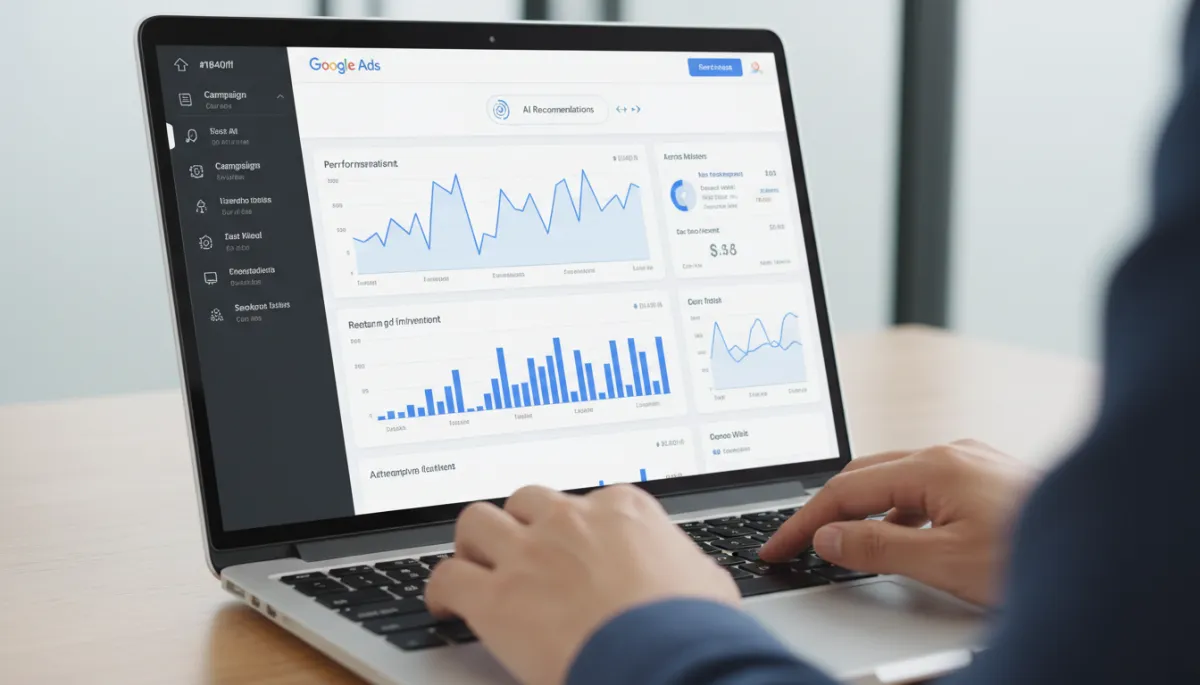
AI-led optimisation in Google Ads can cut SME cost per lead by up to 40%.
To make these campaigns work on a small budget, focus on four elements:
- Conversion tracking: Set up accurate tracking for form submissions, calls, WhatsApp clicks or purchases. Without this, AI is blind and will optimise for cheap clicks instead of valuable actions.
- Tight geographic targeting: For local SMEs in India or the UAE, restrict campaigns to neighbourhoods or cities you can actually serve. Avoid wasting impressions in regions where you cannot close business profitably.
- High-intent keywords and audiences: Use phrase and exact match around buying phrases such as “near me”, “pricing”, “book demo” or “same-day delivery”. Allow AI to expand within this intent cluster, not beyond it.
- Budget thresholds: Even with limited spend, commit a minimum daily budget that gives AI enough data to learn. Spreading ₹10,000 over too many campaigns will stall learning and dilute results.
Facebook Ads Strategy in 2026: From Interest Targeting to AI-Powered Discovery
A winning Facebook ads strategy (including Instagram) now relies less on manual interest targeting and more on letting Meta’s AI find lookalike buyers based on your best customers. With algorithmic feeds accounting for the majority of content views on Instagram and Facebook, your ads are competing directly inside AI-curated experiences.
For SMEs selling products across India, the Middle East, or cross-border into Europe and the US, Meta’s AI-driven Advantage+ Shopping and Lead campaigns can quickly identify profitable pockets of demand. To make them work on a constrained budget:
- Feed the system with a high-quality customer list or pixel data from your website, so AI can model your ideal buyer profile.
- Use a small number of strong creatives rather than dozens of weak variations. AI will automatically test and prioritise what resonates.
- Optimise for conversions, not clicks. This tells Meta’s algorithm to chase purchasers or qualified leads instead of vanity metrics.
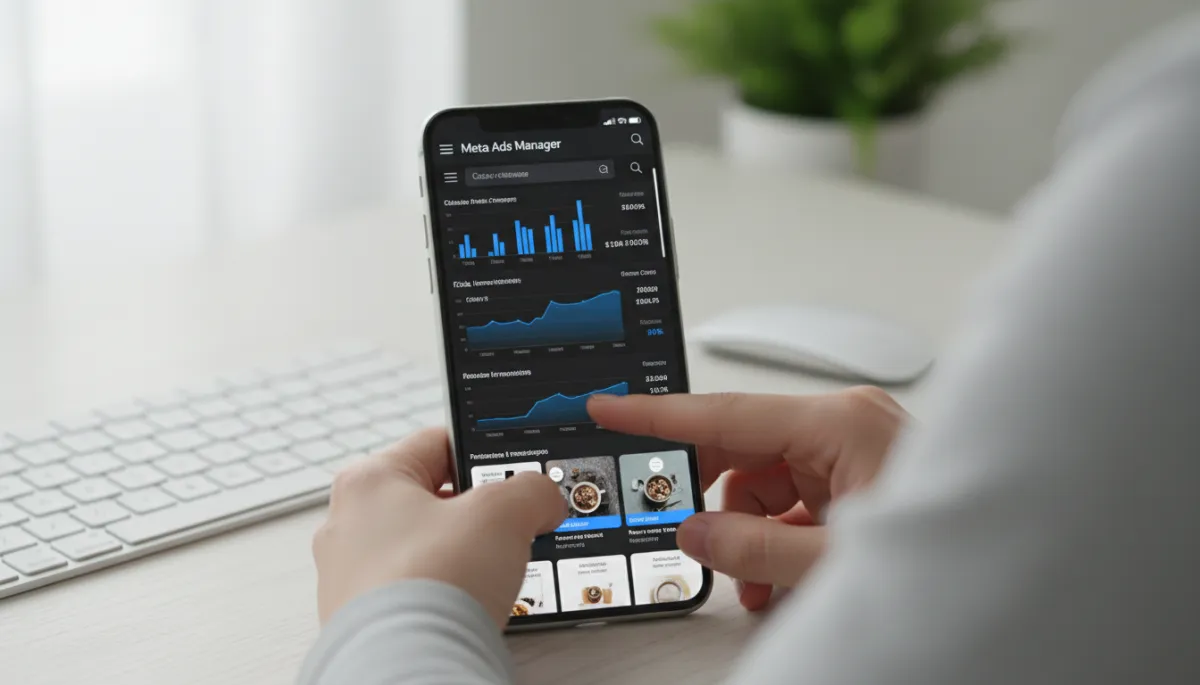
Strong creative plus AI delivery turns Facebook ads into a scalable SME growth channel.
Measuring and Improving ROI from Paid Advertising
In a world where AI handles bidding, placements and even creative suggestions, your competitive advantage lies in how you measure and respond. To truly improve ROI paid advertising, SMEs should shift focus from surface metrics to business outcomes:
- Cost per qualified lead (CPQL): Filter out junk leads and track only those that meet your sales criteria in India, UAE, UK, US or Europe.
- Customer acquisition cost (CAC): Divide total ad spend by the number of new paying customers generated in a period.
- Lifetime value (LTV): Even on small budgets, track repeat purchases or renewals to understand what you can afford to pay for a new customer.
AI platforms excel at closed-loop optimisation when you feed them these deeper signals. For example, if your CRM or sales team marks certain leads as “won”, you can send that data back to Google or Meta so their algorithms prioritise similar users. Research from McKinsey suggests AI-enabled recommendation and shopping experiences can drive up to 60% higher conversion rates; SMEs that close this feedback loop are best placed to capture those gains.
Balancing AI Efficiency with Human Authenticity
While AI advertising delivers powerful efficiencies, there is a growing consumer sensitivity to over-automated, generic messaging. Gartner reports that around half of consumers prefer brands that do not rely heavily on generative AI in communications, and IAB data shows a clear trust gap between how marketers and younger audiences perceive AI-generated ads.
For SMEs, this creates an opportunity: use AI to handle the mechanics of testing, targeting and optimisation, while you invest human effort in authentic storytelling, culturally relevant messaging and customer-centric offers. In markets as diverse as India and Europe, nuance matters. Local language variations, regional festivals, payment preferences and cultural cues are areas where human insight still outperforms algorithms.
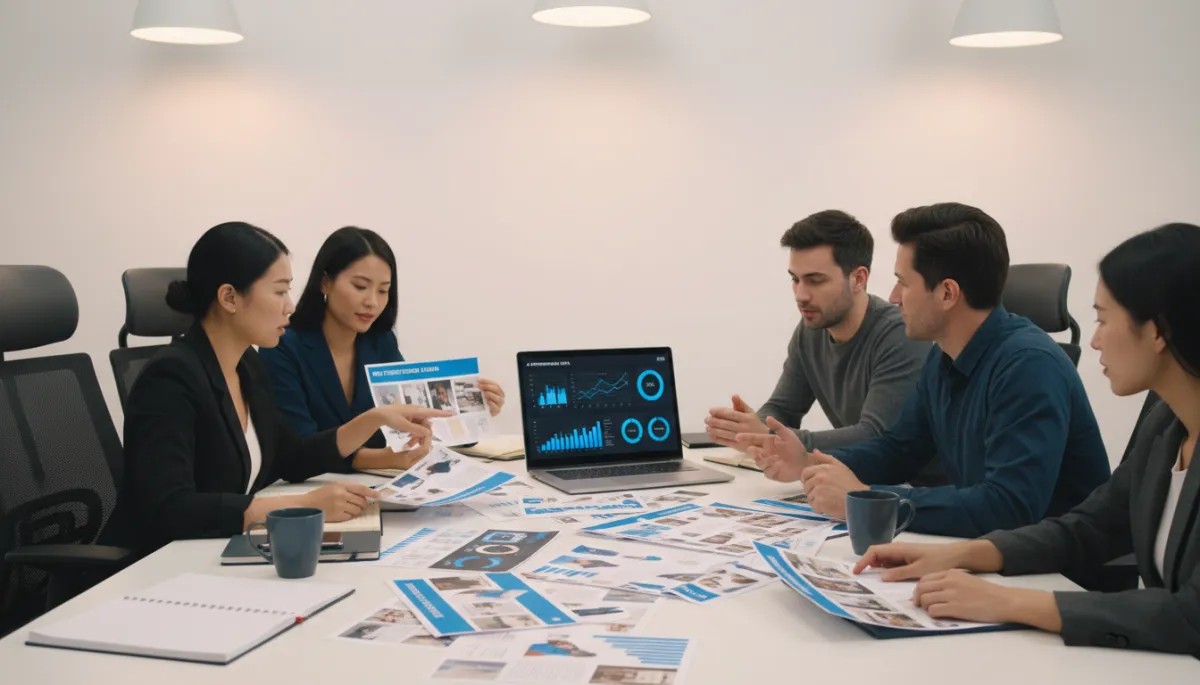
The strongest SME campaigns blend AI optimisation with human insight and creativity.
A Simple 30-Day AI-Optimised Paid Ads Plan for SMEs
- Days 1–5: Foundation – Set up tracking, define your primary conversion, connect your CRM or lead capture forms, and ensure Google and Meta pixels are correctly firing on your website or landing pages.
- Days 6–10: Launch Focused Campaigns – Run one core Google campaign (Search or Performance Max) and one Meta campaign (Advantage+ or Lead) targeting your highest-value geography. Limit variables so AI can learn quickly.
- Days 11–20: Optimise with AI Insights – Review search terms, audience segments, devices and locations driving conversions. Use platform recommendations to adjust bids, exclude poor-performing segments and refine creatives.
- Days 21–30: Scale What Works – Gradually increase budgets on winning campaigns, test one new creative angle, and consider expanding to an additional city or audience segment with similar characteristics to your best converters.
Turn AI-Driven Paid Ads into a Predictable Growth Engine
In 2026, the SMEs winning with paid media are not necessarily those with the biggest budgets; they are the ones that treat AI as a disciplined performance partner. By structuring paid ads for small business around clear outcomes, leveraging Google ads for SMEs and a focused Facebook ads strategy, and measuring the full customer journey, you can turn even modest monthly budgets into a reliable pipeline of leads and sales across India, the UAE, the UK, the US and Europe.
The technology is already delivering 30–40% lower cost per lead for businesses that embrace it. The question is not whether AI will shape your advertising, but whether you will use it intentionally to maximise your returns — or leave that advantage to your competitors.
If you want expert support to align your website, analytics and campaigns for maximum impact, take the first step today.
Get a Free SEO / Website Audit at nexurate.com/free-audit.
