
What Is an AI-First CRM? How SMEs Are Converting More Leads With Less Work in 2026
What Is an AI-First CRM? How SMEs Are Converting More Leads With Less Work in 2026
Traditional CRMs store data. AI-first CRMs act on it.
For years, CRM software promised to organise your leads, track your deals, and make your sales team more productive. And many of them delivered — on the storage side. But most traditional CRMs still depend entirely on humans to do the actual work: manual data entry, manual follow-ups, manual reporting.
An AI-first CRM is built on a fundamentally different premise. It doesn't wait for a human to trigger the next step. It uses artificial intelligence to score leads, send follow-ups, qualify prospects, update records, and surface the right action at the right time — all automatically, continuously, and across every channel your leads use.
What Is an AI-First CRM?
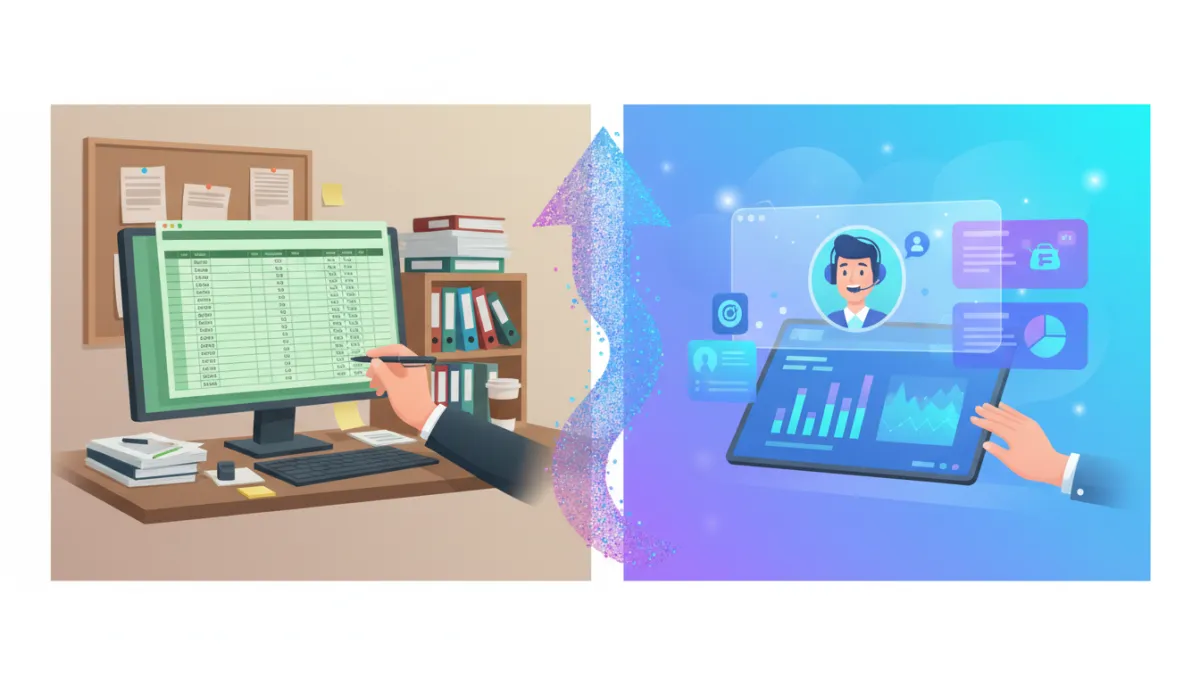
An AI-first CRM is a Customer Relationship Management system where artificial intelligence is a core capability — not a feature bolted on afterward. It uses AI to automate lead capture, lead scoring, follow-up sequencing, and pipeline reporting without requiring constant human input.
Traditional CRMAI-First CRMStores contact dataCaptures and enriches data automaticallyRequires manual follow-upTriggers follow-ups based on lead behaviourReports on past activityPredicts future outcomesUpdated when a human logs dataUpdated in real time from every channelNeeds daily managementRuns autonomously between human touchpoints
How Does CRM Automation Work?
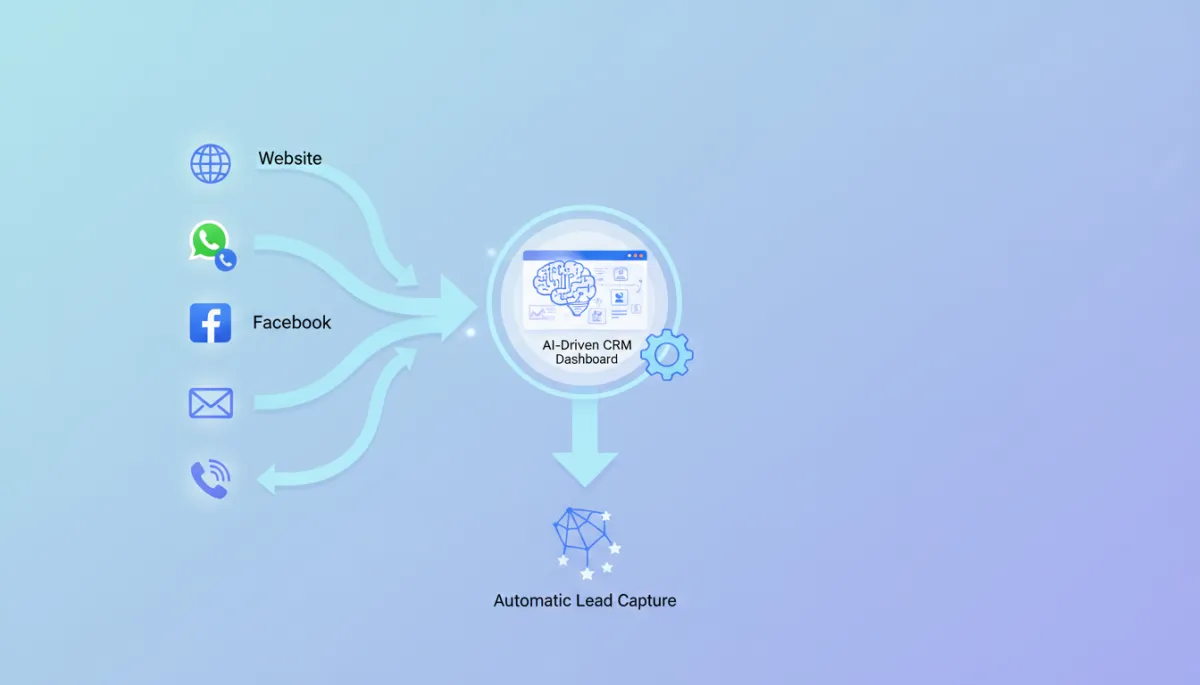
Lead Capture — Automatic Across Every Channel
When a prospect fills a form on your website, sends a WhatsApp message, clicks a Facebook Ad, calls your number, or responds to an email campaign — an AI-first CRM captures them automatically and creates a contact record with source, timestamp, and all available data pre-populated. No manual entry required.
Lead Qualification — AI Asks the Right Questions
Before a lead ever reaches your sales team, the CRM's integrated AI chatbot has already asked the qualification questions: What service are you looking for? What is your budget range? What is your timeline? Are you based in a specific city or region? The answers are captured, stored, and attached to the lead record.
Lead Scoring — AI Ranks Your Pipeline for You
Not all leads are equal. AI lead scoring continuously analyses engagement signals — website pages visited, email open rate, chatbot responses, time since initial enquiry, ad source — and assigns a numeric score to each lead. Your sales team works the highest-scoring leads first, rather than processing enquiries in the order they arrived.
Automated Follow-Ups — The Sales System That Never Sleeps
When a lead enters your pipeline, a pre-built sequence automatically begins:
Day 0 — WhatsApp welcome message and service introduction
Day 2 — Email with a relevant case study or client testimonial
Day 5 — SMS or WhatsApp check-in with a soft call to action
Day 10 — Re-engagement message with a free consultation offer
This sequence runs automatically for every lead, regardless of how busy your team is, what time of day it is, or whether it is a public holiday.
How AI Agents Change What a CRM Can Do
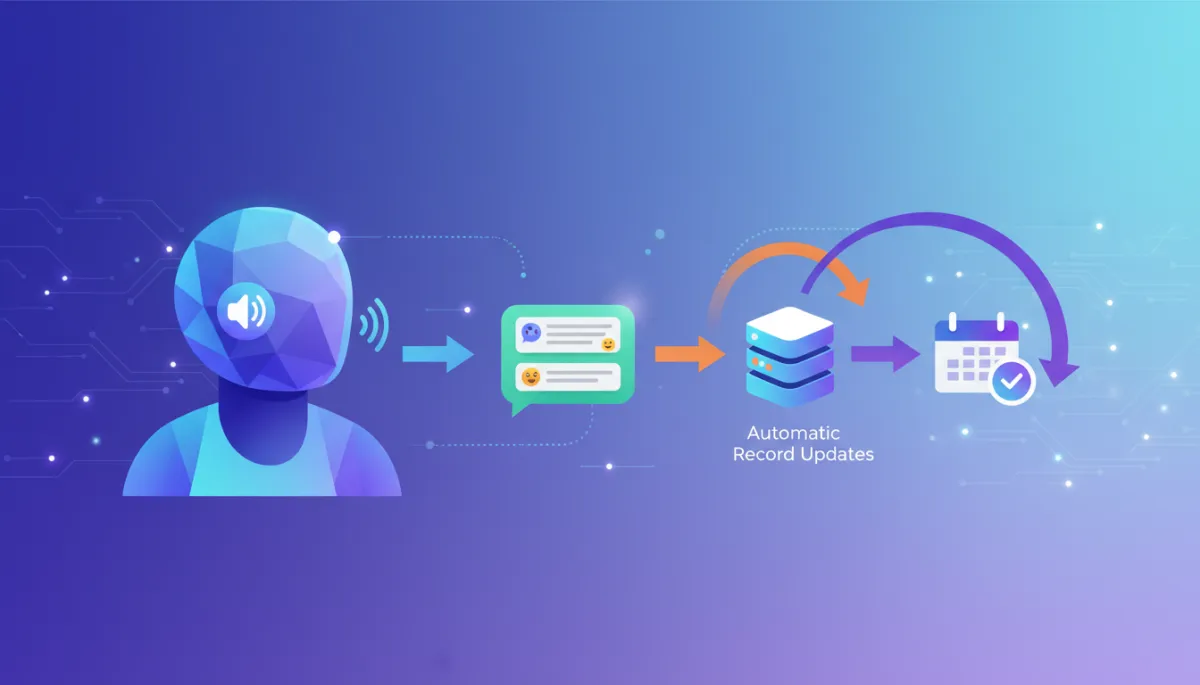
In 2026, the most advanced AI-first CRM systems deploy AI agents — not just workflows — that actively perform work inside your pipeline.
What AI agents do inside a CRM:
Place outbound calls to new leads and qualify them through a voice conversation
Send personalised WhatsApp messages triggered by specific lead behaviour
Update CRM records automatically from call transcripts and chatbot conversations
Book appointments and send calendar invitations without human involvement
Flag leads that show high-intent signals and notify your sales team in real time
Re-engage leads that have gone cold after a defined period
How AI-First CRM Helps You Find and Convert High-Intent Leads
One of the most powerful capabilities of an AI-first CRM is its ability to identify which of your existing leads are the highest-intent — not just the most recent — and prioritise your team's time accordingly.
How AI identifies high-intent leads:
Page-level engagement — Which service pages did they visit? How long did they stay?
Response behaviour — Did they reply to the first WhatsApp message within minutes?
Stated intent — What did they say in your chatbot qualification flow?
Channel source — Which ad campaign or search keyword brought them in?
Engagement history — Have they opened previous emails or made an enquiry before?
How AI Converts Traffic Into Pipeline — Automatically
Most businesses have a lead leakage problem between their traffic and their pipeline. A visitor arrives on the website, reads a service page, and leaves — without filling a form, without calling, without leaving any contact detail. AI-first CRM tools address this gap through behavioural triggers:
A visitor reads your pricing page three times → a WhatsApp message or chatbot is triggered
A visitor abandons a booking form halfway → an email is sent within 15 minutes with a re-engagement offer
A lead clicks an ad but doesn't convert → a retargeting sequence begins automatically with personalised content
AI-First CRM for Indian SMEs — What It Looks Like in Practice
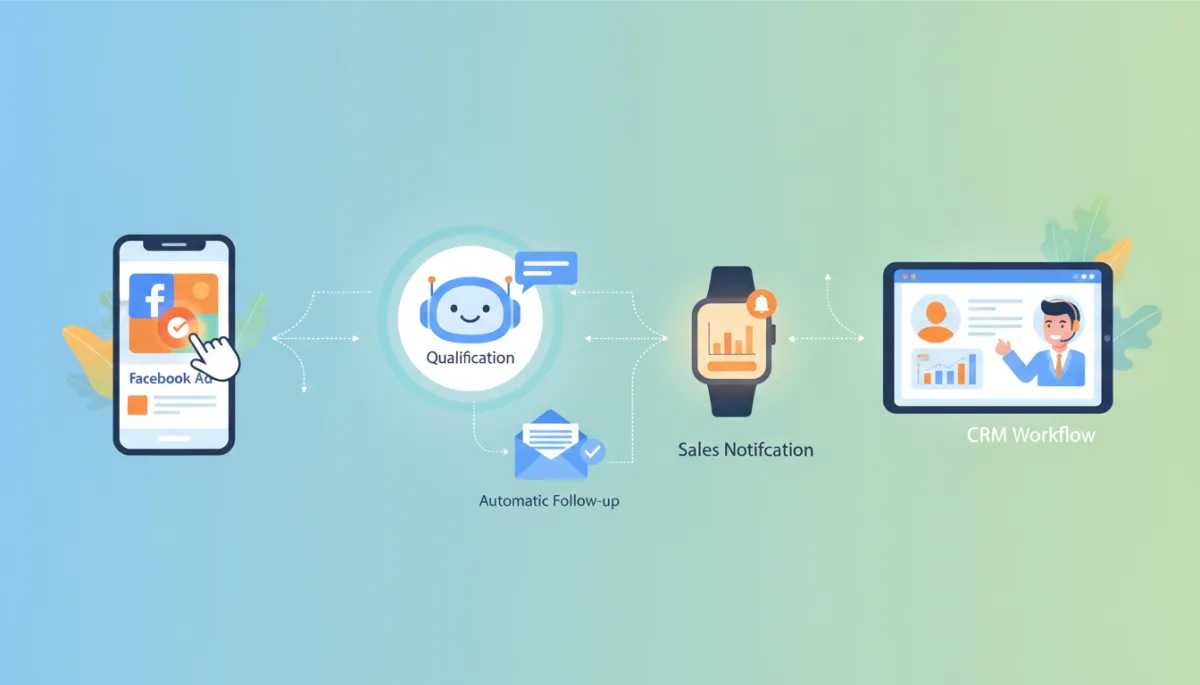
Here is a typical lead journey inside Nexurate's AI CRM for an Indian service business:
Lead arrives via Facebook Ad, Google search, or WhatsApp message
AI chatbot qualifies the lead in real time — captures name, service interest, budget, location
CRM creates a record automatically, assigns an initial score, and places the lead in the appropriate pipeline stage
Automated follow-up begins — WhatsApp messages, email, and SMS based on the pre-built sequence
AI scoring updates continuously as the lead engages or goes quiet
Sales team is notified only when a lead crosses the threshold for human conversation
Deal is tracked from proposal through negotiation to close — with every interaction logged automatically
Frequently Asked Questions About AI-First CRM
What is an AI-first CRM?
An AI-first CRM is a customer relationship management system where artificial intelligence is a core operational capability. It automates lead capture, qualification, scoring, follow-up, and reporting without needing constant human input.
How is an AI-first CRM different from a traditional CRM?
A traditional CRM stores what your team manually enters. An AI-first CRM captures data automatically from every channel, scores leads continuously based on behaviour, and triggers the next action without waiting for a human to log in and decide.
Can a small business use an AI-first CRM?
Yes. Modern AI-first CRMs are purpose-built for SMEs — with fast setup times, straightforward onboarding, and pricing that reflects business value rather than enterprise complexity.
What does CRM automation include?
Core automations include automatic lead capture from all channels, follow-up sequences via WhatsApp, email, and SMS, AI lead scoring, pipeline stage management, appointment booking, and real-time performance reporting.
What are the best ways to get high-intent leads into my CRM?
High-intent leads come from search-intent channels (Google Ads, SEO), direct WhatsApp enquiries, and retargeting campaigns. The key is ensuring your AI-first CRM captures, scores, and follows up on every lead immediately — because high-intent leads are also the most time-sensitive.
How long does AI-first CRM setup take?
With Nexurate's implementation process, most businesses are fully operational within 7 to 14 days — including chatbot setup, workflow configuration, and CRM data migration where needed.
The Bottom Line — A CRM That Stores Data Is a Contact Book. A CRM That Acts on Data Is a Revenue System.
In 2026, the gap between businesses using AI-first CRM and those still running manual pipelines is widening measurably. The former respond faster, qualify more accurately, convert at higher rates, and scale without proportional headcount increases.
Get a Free SEO / Website Audit — See how an AI-first CRM could transform your lead pipeline. We will map your current process and show exactly where automation makes the biggest difference. Visit nexurate.com
