AI CRM: Reduce No-Shows & Optimize Clinic Appointments
Healthcare, Clinic Management, AI CRM
Healthcare Clinic Automation: How AI CRM Reduces No-Shows and Fills Your Calendar
No-shows are costing healthcare clinics an average of 14% of their total appointment capacity. For a busy clinic running 50 appointments a week, that's seven empty slots — representing thousands of dollars in lost revenue every single month. And it's almost entirely preventable. In 2026, AI-powered CRM systems are giving healthcare clinics a precise solution to the no-show problem. Automated appointment reminders, intelligent rebooking workflows, and personalised follow-up sequences are helping clinics reduce no-show rates by up to 30% — while simultaneously filling cancellation slots with waitlisted patients. Beyond reducing no-shows, AI CRM tools are transforming how clinics handle patient communication, referral tracking, post-appointment follow-up, and long-term patient retention. Whether you run a dental practice, physiotherapy clinic, dermatology centre, or general practice, the administrative burden on your team can be dramatically reduced without compromising the quality of patient care. In this guide, we'll show you exactly how AI CRM automation works in a healthcare setting and how you can implement it in your clinic without disrupting your existing workflows.
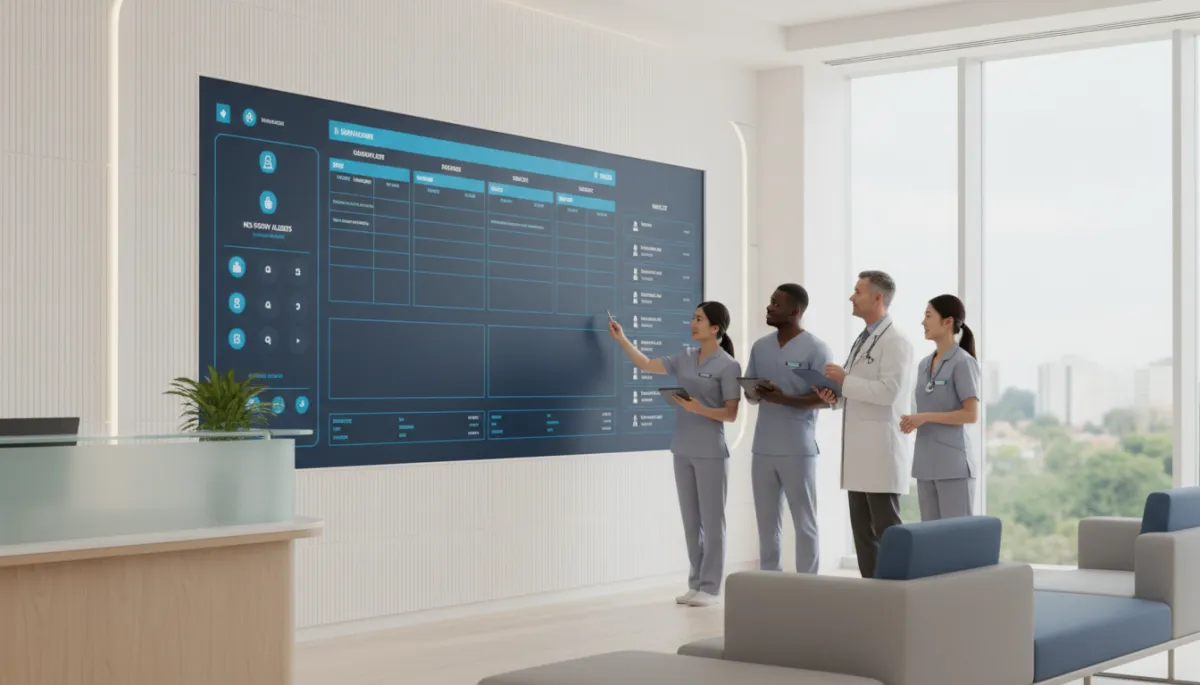
Why No-Shows Hurt More Than You Think
For clinic owners and healthcare administrators, appointment no-shows are more than a scheduling nuisance. They disrupt clinician productivity, create gaps in care continuity, and erode revenue predictability. When 14% of your appointment capacity disappears each week, you are effectively running an underutilised clinic while still carrying full staffing and facility costs. Over a year, that can amount to hundreds of lost consultations and substantial revenue leakage.
Traditional approaches — manual reminder calls, generic SMS messages, or punitive no-show fees — only go so far. They depend heavily on staff time, are easy to forget, and rarely adapt to individual patient behaviour. As healthcare IT analysts note, AI is now a top investment priority because it can systematically relieve these operational pressures while improving patient experience, not just enforcing attendance (KLAS Global HIT Trends 2026).
What Is Healthcare Clinic Automation in 2026?
Healthcare clinic automation refers to the use of AI, cloud-based tools, and integrated workflows to handle routine administrative and communication tasks with minimal manual input. In 2026, this increasingly centres around AI CRM for clinics — intelligent customer relationship management platforms tailored to healthcare environments rather than generic sales pipelines.
These platforms connect to your practice management and clinic management software, EHR, and telehealth tools to create a single source of truth for patient interactions. They use AI to analyse attendance patterns, communication preferences, and clinical history, then trigger automated workflows that keep your calendar full and your team focused on care instead of chasing confirmations and callbacks (Healthcare IT News, AI in Healthcare CRM).
How AI CRM for Clinics Reduces Appointment No-Shows
1. Predicting Who Is Likely to Miss
Modern AI CRM systems use predictive analytics to flag patients with a higher likelihood of missing their appointments. By analysing historical behaviour, appointment type, time of day, travel distance, and even engagement with past reminders, AI can generate a risk score for each booking. Studies show that such models enable clinics to intervene early and reduce missed appointments significantly (Medical Economics, Using AI to Combat Patient No-Shows).
2. Intelligent Patient Reminder Automation
Instead of one-size-fits-all messages, patient reminder automation in an AI CRM adapts to each patient. Some patients respond better to SMS, others to email or WhatsApp. Some need multiple reminders; others only need one, timed precisely when they are most likely to respond. AI learns these patterns and automatically adjusts the cadence, channel, and tone of reminders to maximise attendance and minimise annoyance.
Reminders can also include pre-visit instructions, telehealth links, parking guidance, or payment information — all drawn from your clinic management software and EHR. This reduces confusion, anxiety, and last-minute cancellations, particularly for first-time or complex appointments (Healthcare IT News, How AI Is Helping to Reduce No-Shows).
3. Dynamic Rebooking and Waitlist Management
Even with the best systems, some patients will still cancel or not attend. The difference with an AI CRM is what happens next. When a slot frees up, the system can automatically search your waitlist and upcoming recalls, identify the best-fit patients, and send them tailored offers to take the open time. This “dynamic overbooking” and reallocation is guided by AI, ensuring your schedule remains safe, compliant, and fully optimised (HealthTech Magazine, Role of AI in Reducing No-Show Rates).
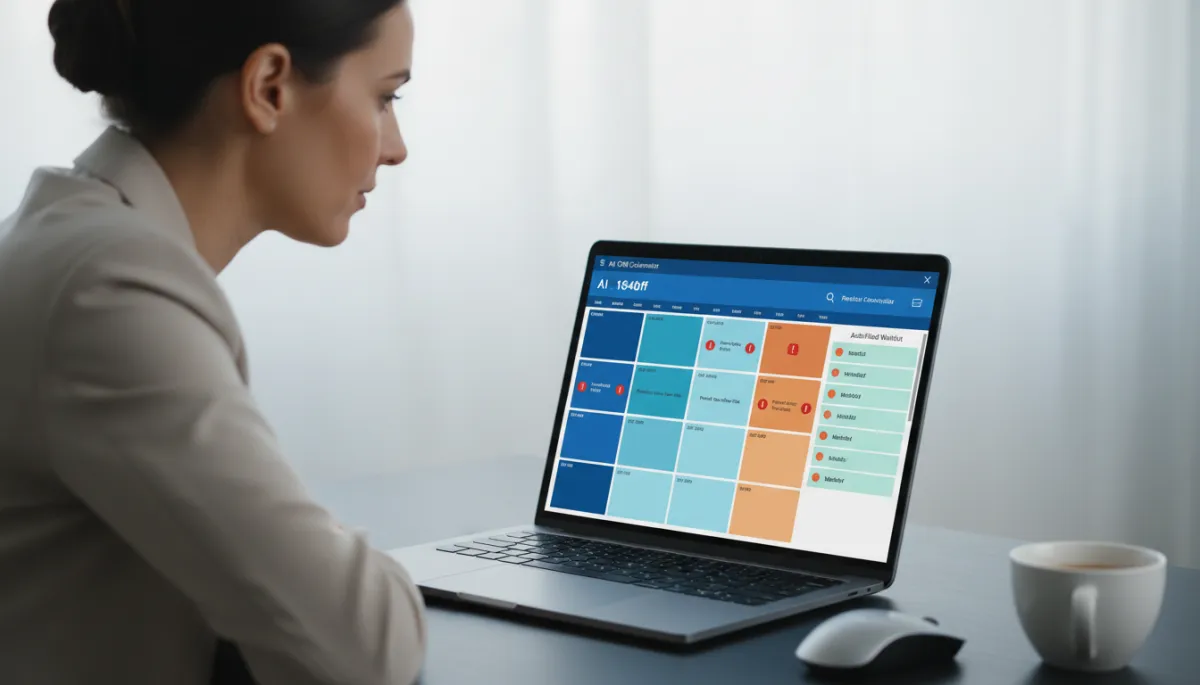
Automated waitlist filling can turn last-minute cancellations into high-value appointments.
Beyond No-Shows: End-to-End Automation Across the Patient Journey
Smarter Intake and Pre-Visit Workflows
Leading healthcare clinic automation platforms now include digital intake forms and symptom questionnaires that patients can complete before their visit. AI can pre-triage responses, suggest documentation templates, and flag urgent issues. This not only shortens check-in times but also gives clinicians a clearer picture before the consultation, aligning with broader trends in AI-supported triage and documentation (SelfClinic, AI Trends Transforming Healthcare Clinics 2026).
Personalised Follow-Up and Recall Campaigns
After the appointment, an AI CRM for clinics can automatically trigger follow-up messages based on diagnosis, procedure, and clinician notes. For example, post-physiotherapy patients can receive exercise reminders and progress check-ins, while dermatology patients may receive tailored skincare guidance and recall prompts for review appointments. This level of personalisation is a key reason AI-driven CRMs are projected to significantly improve patient adherence and satisfaction by 2026 (Forbes Tech Council, Future of AI in Healthcare).
Over time, the system learns which messages lead to rebookings, which channels work best for each demographic, and how to time campaigns for optimal response. The result is stronger long-term retention, higher lifetime value per patient, and a more predictable revenue base for your clinic.
Referral Tracking and Multi-Channel Communication
For multi-provider environments, referral leakage is a silent threat. AI CRM tools can track incoming and outgoing referrals, identify bottlenecks, and automate communication between referring and receiving clinics. When integrated with your clinic management software, these systems ensure that referred patients are contacted quickly, booked efficiently, and reminded appropriately, reducing the risk of lost referrals and fragmented care journeys.
Integrating AI CRM with Your Existing Clinic Management Software
A common concern for practice managers is disruption: “Will this replace our current system?” In most cases, the answer is no. Modern AI CRM platforms are designed to sit alongside your EHR and practice management tools, not replace them. Through secure APIs, they synchronise schedules, patient demographics, and visit history, then layer intelligent automation on top of your current workflows.
Interoperability remains a challenge across healthcare technology, but cloud-based platforms are making it increasingly achievable, especially for outpatient clinics (TSIA, State of Healthcare Technology 2026). When evaluating solutions, prioritise vendors that offer:
- Proven integrations with your existing EHR or practice management systems
- Clear data governance and security certifications aligned with your region’s regulations
- Flexible configuration of reminder rules, consent preferences, and communication channels
- Role-based access controls to protect sensitive patient information
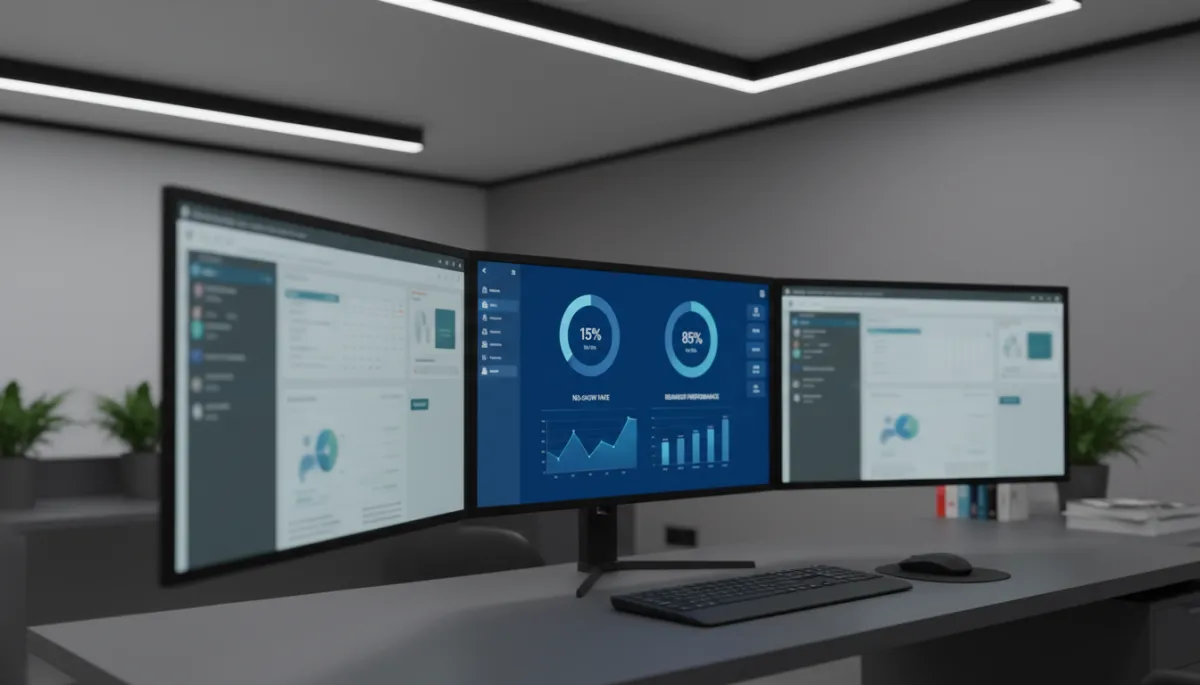
Integrated dashboards help leaders track no-show trends and automation ROI in real time.
Implementation: How to Introduce AI Automation Without Disrupting Care
- Define your primary objective. For most clinics, the starting goal is reducing appointment no-shows by a specific percentage or reclaiming a set number of weekly slots. Quantify the financial value of each recovered appointment to build a clear business case.
- Map your current workflows. Document how appointments are booked, confirmed, reminded, and followed up today. Identify manual steps that consume staff time or frequently break down, such as unreturned calls or inconsistent reminder timing.
- Select a focused pilot. Choose one service line (for example, dental hygiene or physiotherapy reviews) and apply AI-powered patient reminder automation and waitlist management only to that area for the first 60–90 days. This limits risk and provides measurable results.
- Train your team as co-pilots, not replacements. Research shows that clinicians are more comfortable when AI is positioned as a co-pilot rather than an autonomous decision-maker (BCG, How AI Agents Will Transform Health Care). Emphasise that staff still control clinical decisions and can override automated suggestions at any time.
- Monitor metrics and iterate. Track baseline and post-implementation no-show rates, staff time spent on reminders, and patient satisfaction scores. Use your AI CRM’s analytics to refine reminder timing, channels, and messaging over time.
The Strategic Advantage for Clinics That Automate Now
Global healthcare technology budgets are rising, with a growing share devoted to AI-enabled platforms and workflow automation (Forrester, US Tech Forecast for Healthcare). Yet most providers are still in early stages of adoption. Clinics that move decisively now can secure a competitive advantage: fuller calendars, smoother operations, and a more modern patient experience that aligns with rising expectations for digital-first care.
For owners and administrators aged 30–55, this is less about chasing buzzwords and more about building a resilient, scalable clinic. An AI CRM for clinics, tightly integrated with your clinic management software, gives you real-time visibility into utilisation, revenue, and patient engagement. It helps your team do more with less, without sacrificing the human connection that defines quality healthcare.
Next Steps: Assess Your Digital Readiness
If your clinic is still relying on manual reminder calls, basic SMS tools, or spreadsheets to manage follow-ups, there is substantial room for improvement. A structured review of your website, online patient journey, and current automation tools is the best starting point to understand where AI can have the greatest impact on both attendance and growth.
Get a Free SEO / Website Audit at nexurate.com/free-audit. Use the insights to prioritise where healthcare clinic automation and AI CRM can help you reduce no-shows, fill your calendar, and deliver a patient experience that keeps people coming back.
